Why a Bar With Private Room NYC Is a Hidden Gem for Private Dining
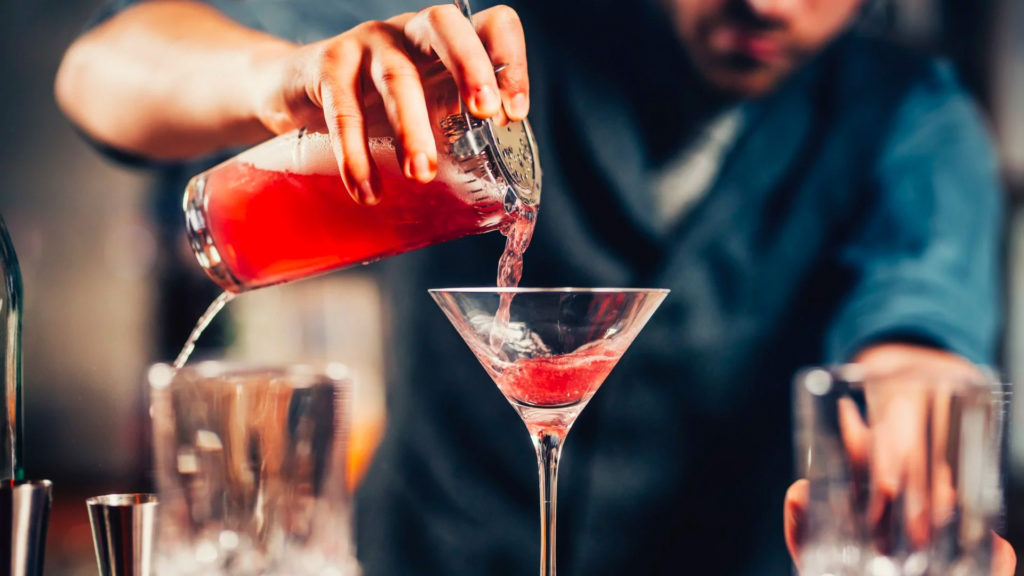
Anyone who has planned a private dinner in New York knows the usual fork in the road. On one side, there are formal private dining rooms in restaurants, often beautiful, often expensive, and sometimes so structured that the event starts to feel stiff before the first cocktail arrives. On the other side, there are casual group bookings that promise flexibility but leave you shouting over strangers at the next table. Somewhere between those two extremes sits one of the most overlooked options in the city: a bar with private room NYC hosts quietly, and often brilliantly, for private dining.
That setting does not get enough credit. People hear the word bar and picture a quick after-work drink, dim lights, or a scene built more for nightlife than for a seated meal. But many of the best bars with private rooms in New York offer something far more nuanced. They combine intimacy, atmosphere, and service in a way that suits birthdays, rehearsal dinners, client gatherings, engagement parties, holiday events, and even low-key family celebrations. In practice, a Bar With Private Room can solve a surprising number of logistical and social problems that traditional venues create.
The appeal is not just price, though cost matters. It is also energy. A private room attached to a bar usually feels more relaxed than a restaurant banquet space and more polished than reserving a few tables in an open dining room. Guests can arrive on slightly different schedules. Early arrivals can order a drink without feeling stranded. The room can support a sit-down dinner, passed bites, a cocktail hour, or a mix of all three. For New York, where plans shift and groups rarely move in perfect sync, that flexibility is worth a great deal.
The private dining sweet spot most hosts miss
Traditional private dining rooms are designed around a straightforward idea: everyone arrives at once, sits down, and follows a set menu on a fixed schedule. That works well for some events. It is less ideal for many of the occasions people actually host in New York.
Think about a thirty-fifth birthday dinner with twenty guests. A few friends are coming from Brooklyn, others are rushing from Midtown offices, one couple is running late because they could not get a sitter on time. In a restaurant private room, those staggered arrivals can throw off service, create awkward waiting, or pressure the host into starting before everyone is there. In a bar with a private room, the event tends to breathe a little better. Guests can trickle in, settle with a drink, mingle, and then ease into dinner. The evening starts to feel social rather than procedural.
That difference sounds small until you have hosted both kinds of events. A private room inside a bar naturally softens the edges of timing, formality, and guest expectations. People know how to behave in a bar. They relax faster. They stand when they want to stand, sit when they want to sit, and rarely feel trapped in a rigid sequence. Even corporate gatherings benefit from that. Some of the strongest client dinners happen in spaces that are polished but not overproduced. The conversation gets better when the room does not feel like a boardroom with linens.
Why the atmosphere works so well for dinners
A lot of private dining success comes down to one thing: whether people actually enjoy staying in the room for two or three hours. Bars tend to understand ambiance better than many restaurants because atmosphere is central to their business model. Lighting, music level, pacing, sightlines, and acoustics are not afterthoughts. They are part of the product.
That matters for private dining more than hosts often realize. If a room is too bright, every event feels clinical. If it is too dark, older guests strain to read menus and younger guests turn on phone flashlights. If the soundtrack leaks in too loudly, speeches become painful. If the room is sealed off so completely that it feels disconnected from the rest of the venue, the event can lose momentum. The best Bar With Private Room setups land in a narrow, valuable middle ground. They preserve privacy without deadening the energy.
New York is especially good at this format because space constraints have forced operators to get creative. Basement lounges, mezzanine rooms, tucked-away back salons, second-floor cocktail spaces, and semi-hidden side rooms often carry more personality than standard banquet rooms. Exposed brick, polished wood, old mirrors, leather banquettes, built-in bars, and thoughtful lighting give the space character before the first plate hits the table. You are not paying to create atmosphere from scratch. It is already there.
Food and beverage flexibility is often better than expected
One misconception keeps some people from booking a bar for private dining: the assumption that the food will be secondary. Sometimes that is true. Not every bar should host a dinner party. But in New York, many bars are backed by serious kitchens, restaurant-level culinary teams, or hospitality groups that know how to execute events.
The difference shows up in menu design. A restaurant private dining menu can sometimes feel locked in, especially for smaller groups. You choose among a few preset tiers, accept a sequence of courses, and work around the house rules. A bar private room often allows more range. You might do passed hors d'oeuvres followed by a family-style meal. You might start with cocktails and snacks, then shift into a seated dinner. You might build a wine-forward dinner for ten, or a more casual spread for thirty where people can move around.
Drinks are another area where bars naturally shine. Restaurants with private rooms often treat the bar package as a functional add-on. At a good bar venue, beverage service is part of the experience. That can mean a welcome cocktail designed around the season, a tighter spirits list with bartenders who know how to move quickly, or a wine selection curated for actual drinkability rather than banquet convenience. For hosts, this creates a real advantage. Guests remember a room where the Old Fashioned was right, the sparkling wine stayed cold, and the nonalcoholic options were handled with equal care.
There is also a practical financial point here. Beverage minimums can be easier to work with than high food-and-beverage minimums tied to fully private restaurant rooms. If your group genuinely enjoys drinks, a bar with a private room may help you hit the minimum without padding the meal with unnecessary upgrades.
It feels special without feeling theatrical
There is a narrow line between memorable and overdone. Some private dining spaces cross it. Velvet ropes, highly choreographed entrances, and decor that pushes too hard can make an event feel like a performance rather than a gathering. The best private rooms in bars avoid that trap.
They feel hidden in the right way. There is a subtle pleasure in arriving at a lively venue, being greeted by name, and then being shown to a tucked-away room that is clearly yours for the evening. It creates a sense of occasion without demanding that the host produce spectacle. New Yorkers tend to appreciate that distinction. People want something elevated, but they also want it to feel easy.
This is one reason these spaces work so well for milestone birthdays and engagement dinners. The setting says, this is important, but it does not shout. Guests can dress up or keep it understated. The room feels exclusive, but not precious. And because it is connected to a larger venue, the night can evolve. Some guests may head home after dessert. Others may spill back into the main bar for another round. The event does not have to end abruptly because the banquet timeline says it is over.
The economics can be surprisingly favorable
Private dining in New York is never cheap, and anyone promising otherwise is selling fantasy. Still, there is a meaningful difference between expensive and efficient. A Bar With Private Room often lands on the efficient side of the equation.
Part of that comes from the room itself. Bars may have underused private spaces during certain weekdays, early evenings, or shoulder seasons, which gives them more flexibility in pricing or minimums. Part comes from staffing models. Because the venue already runs beverage operations at a high level, adding a private dinner service can be operationally smoother than opening a separate dining room. And part comes from format. A host might spend less on formal coursing, decor, and service theatrics, while still creating a strong guest experience.
The smartest hosts think about value in terms of what guests actually notice. Most guests remember four things clearly: whether the room felt good, whether they could hear each other, whether the food arrived at a reasonable pace, and whether the drinks were strong and well made. They are less likely to remember whether the charger plates were imported or whether the menu card had embossed lettering. A bar private room often puts money into the former rather than the latter.
That said, the economics depend heavily on guest count. For very large groups, Bar With Private Room NYC a restaurant or event venue may become more cost-effective simply because it is built for volume. For smaller and mid-size gatherings, especially roughly 10 to 40 guests, the math often favors the private room inside a bar.
Better for mixed groups, better for real life
Many private dining events fail socially before they fail operationally. The guest list is mixed, the mood is hard to calibrate, and the room does not support different personalities. This is where a Bar With Private Room can outperform a standard dining room.
Every group contains social variation. Some guests want to perch with a drink and talk. Others want a proper seat and a full meal. Some are extroverts who lift the room, others are quieter and need a setting that does not pressure them. Bars with private rooms usually handle that range better because the room itself often allows multiple modes at once. Banquettes, cocktail tables, and a few standing areas let people settle into the evening naturally.
This matters for intergenerational events. If you are hosting a birthday that includes college friends, siblings, parents, and a couple of coworkers, the venue has to bridge very different expectations. A formal restaurant may please the parents and bore the friends. A loud open bar may please the friends and alienate everyone else. The private room attached to a bar is often the compromise that does not feel like a compromise.
I have seen this play out at anniversary dinners where the older guests appreciated being able to sit comfortably and hear toasts, while the younger crowd loved that the event rooftop bar private room NYC loosened into cocktails afterward. I have seen it at company holiday parties where the founder wanted polish, the junior staff wanted fun, and the bar private room gave both without requiring two separate venues.
Privacy without total isolation
There is a reason the phrase Bar With Private Room NYC performs well in search and in conversation. People want privacy, but they do not always want separation. The distinction matters.
A fully private dining room in a restaurant can sometimes feel cut off from the pulse of the city. That is fine for a confidential board dinner or a family event where seclusion is the top priority. But many social occasions benefit from a little ambient life nearby. You want your own room, your own conversation, your own service flow, but you also want to feel that the city is still around you.
Bars do this well because they offer layered privacy. The room may have a door, a curtain, or a clear physical boundary, yet still draw energy from the main venue. You hear a little life outside, but not enough to disrupt. That ambient connection can make an event feel less staged and more organic. For New York, where the setting itself is part of the allure, that is a real advantage.
Of course, not all privacy is equal. Some so-called private rooms are private in name only. They are carved out corners with flimsy dividers and all the acoustic protection of a subway platform. Hosts should ask direct questions about sound bleed, foot traffic, and whether the room is truly dedicated to the group. A good venue will answer clearly.
What to ask before you book
A pretty room can hide mediocre event operations. The only way to know whether a bar private room truly works for private dining is to ask the questions that reveal how the place functions under pressure.
Here are the essentials:
- Is the room fully private, semi-private, or simply sectioned off?
- What guest count feels comfortable for dinner, not just for cocktails?
- How does the venue handle dietary restrictions and last-minute adjustments?
- Is there a food and beverage minimum, a room fee, or both?
- What is the actual sound situation during peak hours?
Those five answers tell you more than a gallery of polished photos. I would add one more layer during the conversation: ask how the evening typically flows. A seasoned events manager will describe arrival, drinks, seating, pacing, and closeout with confidence. Someone vague may be selling a room they have not truly optimized for dining.
The hidden operational advantages hosts appreciate later
The smartest reason to choose a bar with private room NYC option often reveals itself after the event starts. These spaces are built for movement. That means they tend to absorb small disruptions better than formal dining rooms.
If three guests arrive late, the room still works. If the host wants to add a toast before dessert, the staff can usually adjust. If the group suddenly leans more cocktail-heavy than wine-heavy, the venue can pivot. If a rainstorm slows arrivals across the city, the evening does not collapse. Bars are used to real-time variation. Restaurants with rigid private dining structures, less so.
This resilience matters because New York events are almost never perfectly linear. Trains stall. Work runs late. Babysitters cancel. A surprise plus-one appears. The host who books a flexible venue suffers less. That is not glamorous, but it is deeply practical.
There is also the check settlement issue, one of the least romantic and most important parts of private dining. Bars that host private events frequently have cleaner systems for deposits, package add-ons, beverage tracking, and final reconciliation. Experienced event staff know that nothing sours a successful night like a fifteen-minute debate over what was included. Smooth administration is invisible when it works, unforgettable when it does not.
When a bar private room is the wrong choice
For all their strengths, these spaces are not perfect for every event. If your priority is absolute quiet, a bar-adjacent room may still feel too lively. If you are planning a highly ceremonial dinner with speeches, presentations, or a formal tasting menu, a restaurant private dining room may serve you better. If your guest list includes many people who do not drink and may feel uncomfortable in a bar setting, the venue must be chosen with great care.
Large, elderly-heavy groups can present another challenge, depending on the room. Some of New York's most charming private bar spaces are up steep stairs, down narrow steps, or tucked into layouts that are less than ideal for mobility access. Charm is not the same as comfort. Hosts need to weigh aesthetics against practical hospitality.
There is also a pacing issue. Bars excel at lively, flexible evenings. If your ideal event is a perfectly timed, deeply food-centric dinner where every course is the star, you want a kitchen-first venue rather than a beverage-led one. The best hosts match the format to the event rather than forcing the event into a fashionable format.
The occasions where these rooms shine brightest
Some events are almost tailor-made for this kind of venue. I would put birthday dinners near the top of the list, especially for groups that range from 12 to 30 guests. The room creates intimacy, the bar creates momentum, and the host does not have to choose between seated dinner and social energy.
The format is also excellent for engagement parties, rehearsal dinner after-parties, book launches, networking dinners, alumni gatherings, and creative industry events where conversation matters more than formality. For corporate hosting, a Bar With Private Room can be particularly effective when the goal is relationship-building rather than ceremony. People lower their guard in these spaces. They stay longer. They often order another round and keep talking.
Holiday events deserve mention too. December in New York is crowded, expensive, and chaotic. A private bar room can make the season feel manageable. Guests get a festive setting without the logistical burden of a full-scale event venue. The host gets structure without overcommitting.
How the best rooms create a sense of discovery
Part of the magic is psychological. New Yorkers respond strongly to spaces that feel found rather than merely booked. A private room hidden behind a main bar, above a busy dining room, or tucked through an unmarked doorway gives guests a mild but memorable sense of discovery. That detail can elevate an ordinary dinner into an event people talk about later.
This does not require gimmicks. In fact, it works best when the reveal is subtle. A gracious host stand, a short walk through a handsome room, a turn into a more intimate space, and suddenly the group has its own world. That transition signals care. It tells guests the evening has a frame and a point of view.
For hosts, especially in a city saturated with options, that feeling is valuable. It is hard to surprise people in New York. A genuinely good private room in a bar can still do it.
Why this format continues to win repeat business
People rebook these spaces because the memory of the event usually aligns with the effort required to produce it. That sounds obvious, but it is rare. Some elaborate private dining events create a great memory at a punishing cost in planning time, budget, and stress. Some easy reservations are effortless to organize but forgettable in experience. The best bar private rooms hit the middle perfectly.
They give hosts enough support to feel secure and enough flexibility to feel human. They give guests privacy without stiffness, quality without pomp, and atmosphere without chaos. They suit the pace of New York because they acknowledge a simple truth: most people do not want their private dinner to feel like a staged production. They want it to feel warm, stylish, easy to navigate, and worth leaving the house for.
That is why a Bar With Private Room keeps emerging as a hidden gem for private dining. It meets people where they actually live, socially and logistically. In a city where the best hospitality often comes from places that know how to do more than one thing well, that combination is hard to beat.
The Winslow
Address: 243 E 14th St, New York, NY 10003
Phone number: +12127777717
FAQ About Bar With Private Room NYC
Which bars in NYC offer private rooms?
Many bars in New York City offer private and semi-private rooms for parties and events, ranging from hidden basement speakeasies to upscale lounge spaces. Top options include The Back Room on the Lower East Side, Dear Irving Gramercy, Pebble Bar in Midtown, Mister Paradise in the East Village, and The Winslow in the East Village.
What is a private room in a pub called?
A small, private seating area or partitioned booth in a traditional pub is most commonly called a snug. Larger private rooms used for events, parties, or dining are typically referred to as private dining rooms, function rooms, or back rooms.
How much does a 2 hour open bar cost?
A 2-hour open bar generally costs between $15 and $45 per person, depending heavily on the quality of alcohol you choose. For a standard group of 100 guests, this translates to an overall cost of $1,500 to $4,500 before taxes, setups, and staff gratuities.